A promising approach to meet this challenge, is the so-called Planetary Health Diet. It was developed by an international team of 37 scientists developed by the EAT-Lancet Commission – a global experts, which develops science-based recommendations for healthy, equitable and sustainable food systems within the ecological limits of our planet. The aim of the Planetary Health Diet is es therefore, to define a globally applicable food plan that promotes human health while protecting the environment.
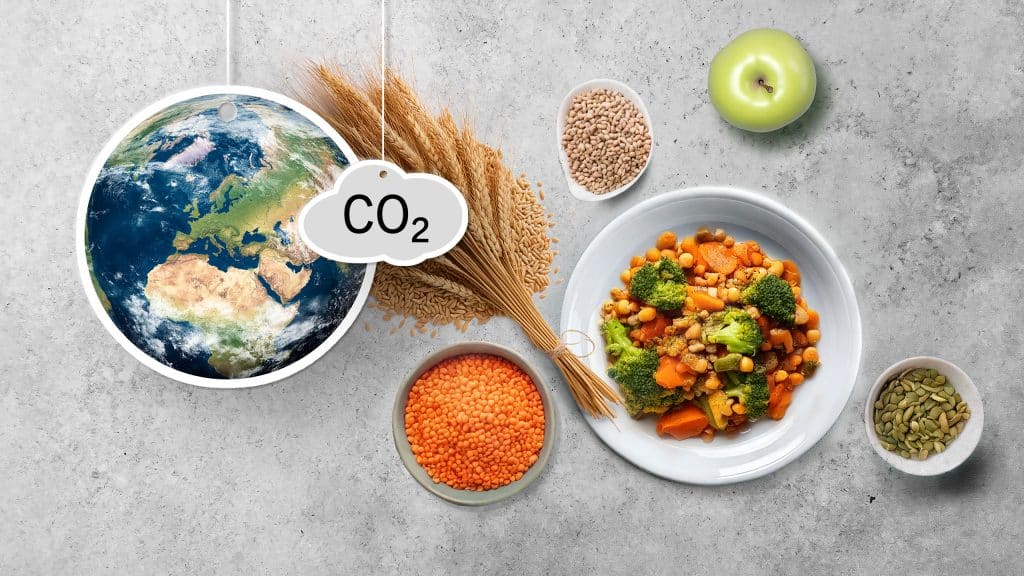
The future starts on your plate: the Planetary Health Diet – and why we are following it
According to United Nations projections, up to ten billion people could be living in the world by 2050. Consequently, one of the major challenges of the future will be to feed these people healthily without overburdening our planet. As a food retailer and daily companion to our customers, we are working hard to tackle this challenge.
Reading time: 5 min.
But which foods are actually environmentally and climate-friendly?
A key aspect of the environmental impact of products is their CO₂ emissions. These are made up of various factors such as import, storage, preservation, and potential disposal of products. The type of food also plays a role: meat products cause a higher ecological footprint than plant-based alternatives due to methane emissions and deforestation for animal feed. Plant-based alternatives, on the other hand, tend to reduce emissions, save water, and improve land use.
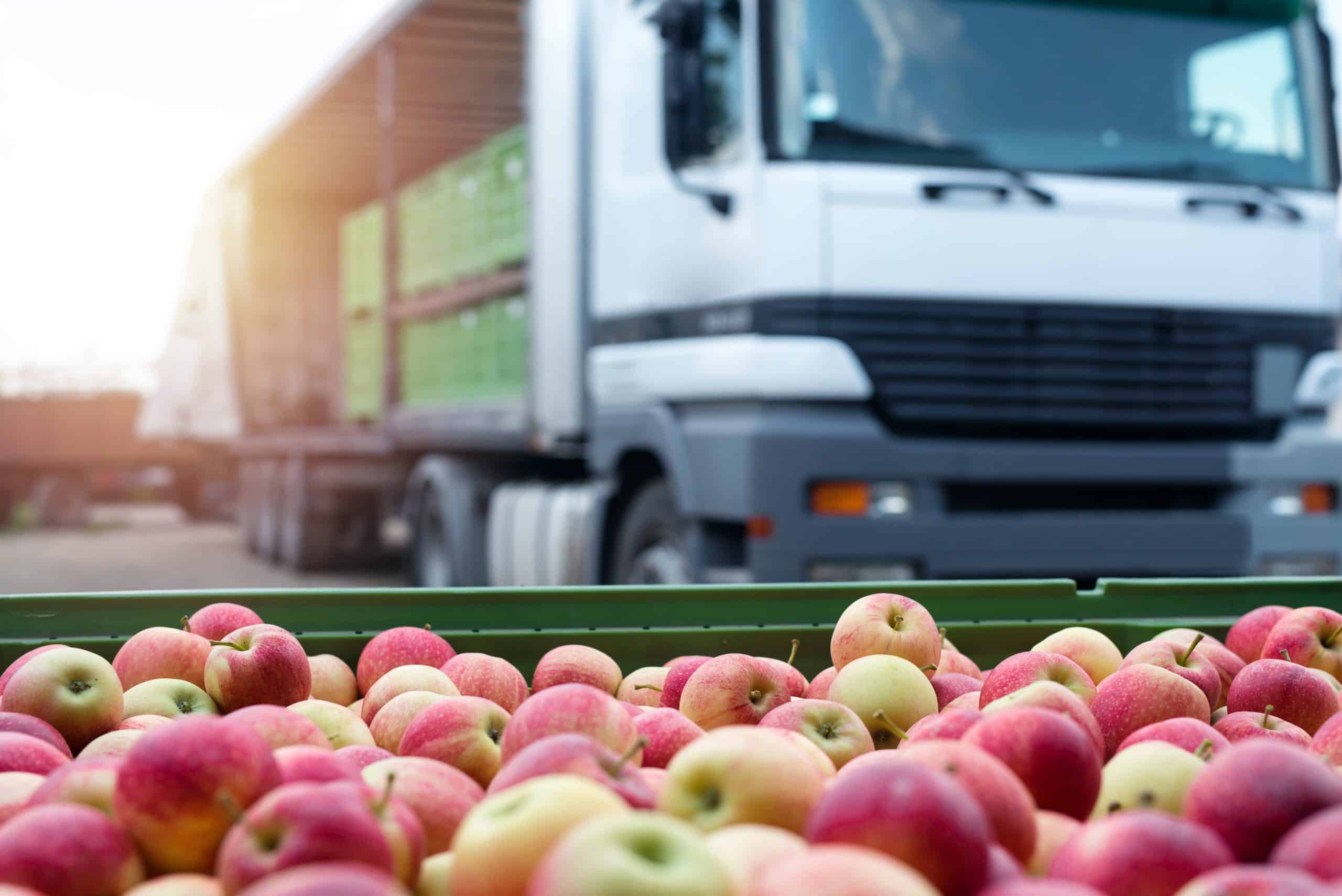
The storage, preservation and disposal of products is of central importance for the environmental impact of food.
In addition, animal husbandry takes up considerable agricultural land – especially for the cultivation of feed for cattle, pigs and poultry. A reduction in animal products in combination with sustainable cultivation methods would not only relieve the burden on agriculture, but also promote long-term food security.
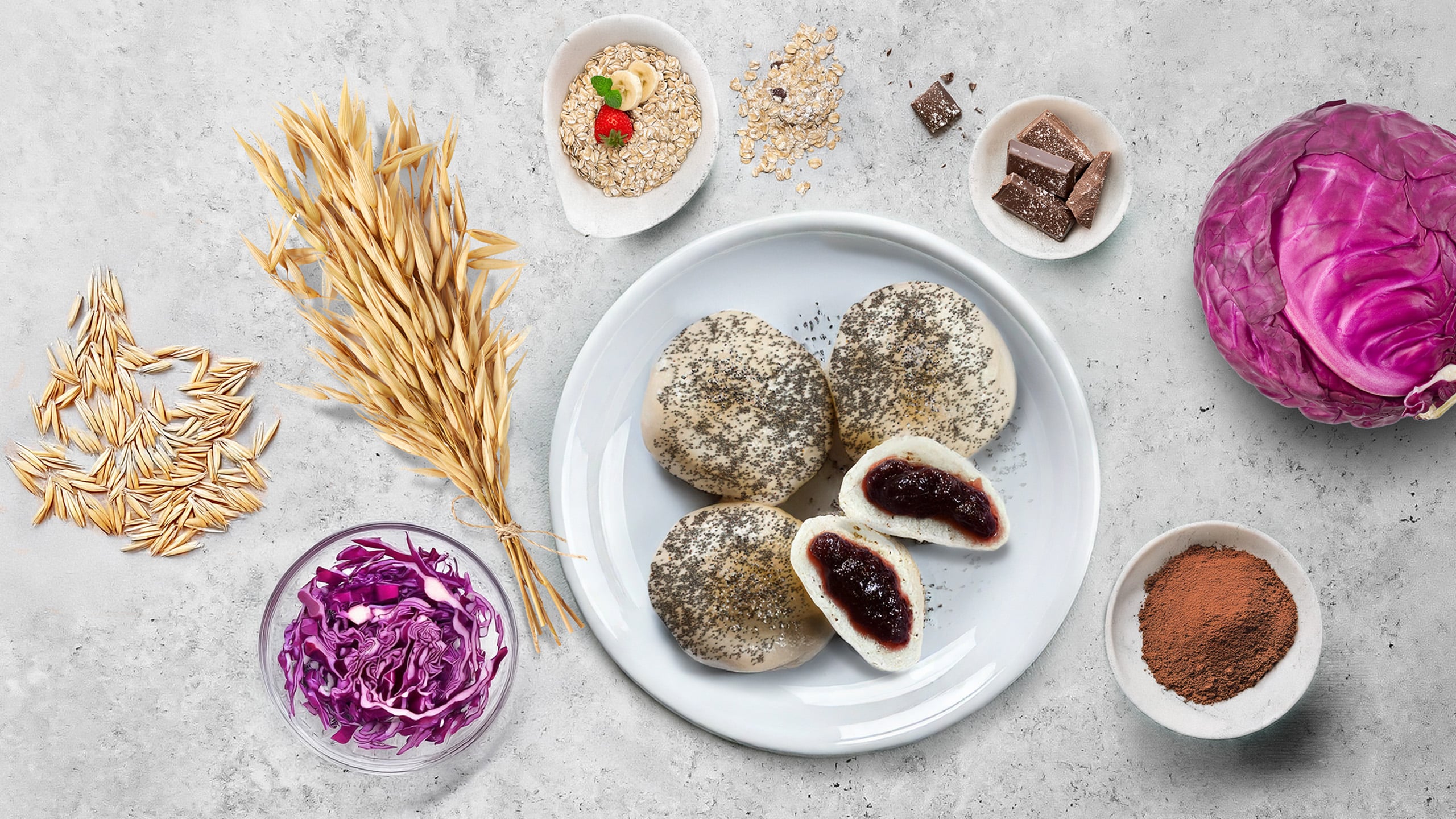
In addition, the Planetary Health Diet places particular emphasis on the variety of plant-based foods in the daily diet. Vegetables, fruit, pulses, nuts, wholegrain products and unsaturated fats in particular are recommended as the basis of a healthy and sustainable diet.
However, in order to make the global diet flexible, practicable for everyone and adaptable to different eating styles and cultural traditions, the consumption of plant-based foods is supplemented by moderate amounts of fish and seafood as well as poultry. However, starchy vegetables such as potatoes, dairy products, red meat, sugar and saturated fats should only play a subordinate role.
With this balanced approach, Planetary Health Diet also makes an important contribution to achieving international sustainability goals at a global level, about the Sustainable Development Goals (SDGs) of the United Nations. According to the EAT-Lancet Commission, it is estimated that the implementation of the eco-friendly diet plan could prevent around 11 million deaths each year, either due to malnutrition or deprivation.
Our protein strategy in line with the Planetary Health Diet
As part of our protein strategy, we at REWE GROUP are also guided by the Planetary Health Diet concept. The recently published revision also clearly confirms the direction we have taken and serves as a reliable frame of reference for our strategic decisions:
Our protein strategy is a long-term project with which we want to contribute to a balanced diet without patronizing or pitting plant and animal products against each other. Instead, our goal is to increase the proportion of plant-based products in REWE and PENNY’s overall product range (excluding beverages) in Germany to 60 percent by 2035.
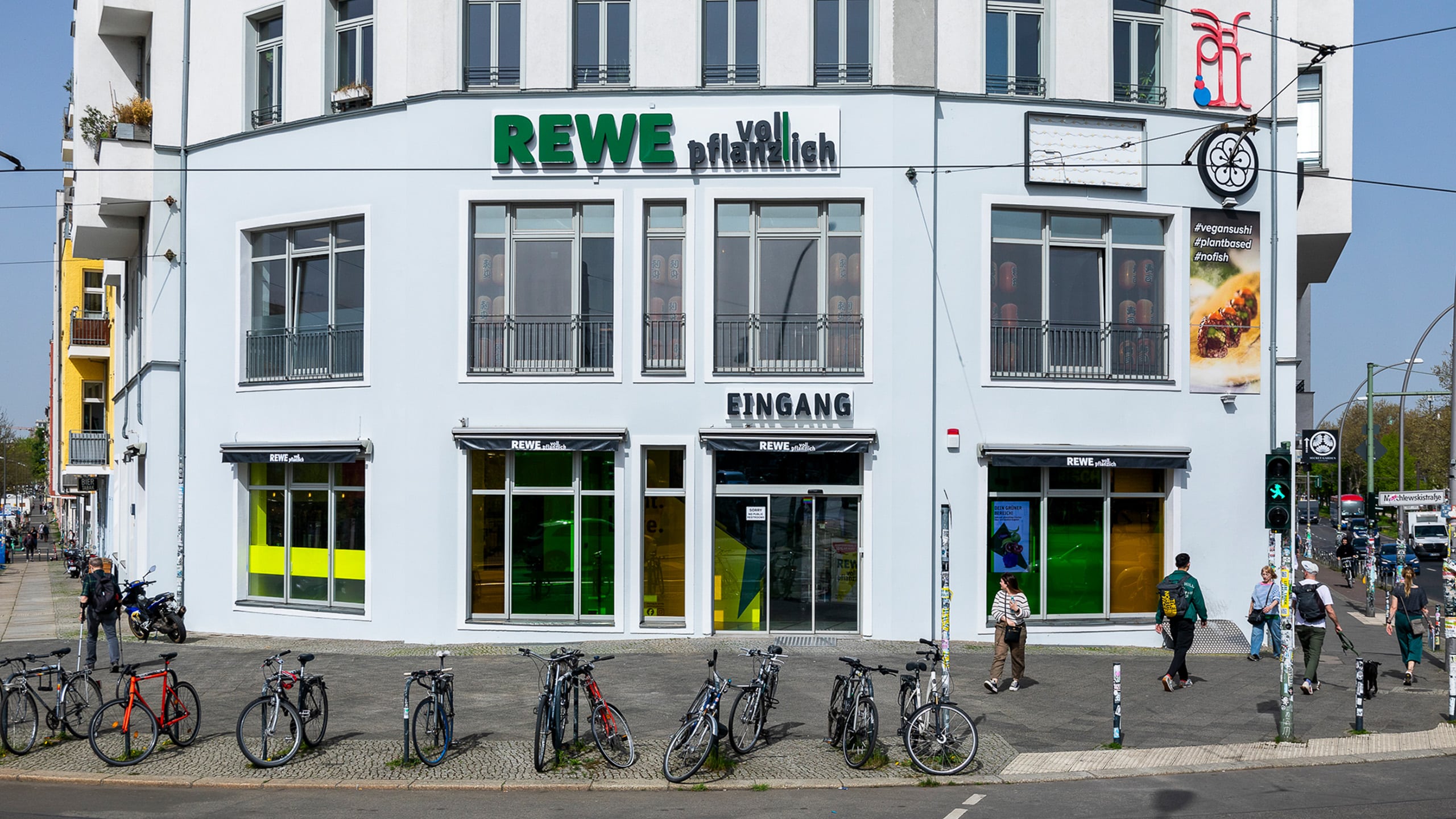
The own brands “Food For Future” at PENNY and “REWE Bio + vegan” are just as convincing as the “REWE voll pflanzlich” store in Berlin.
We already offer our customers a wide selection in this area: REWE in Germany stocks over 1,800 purely plant-based products, as does BILLA/BILLA PLUS in Austria. The REWE delivery service offers around 2,700 items, including fruit and vegetables. In addition, we make plant-based products accessible to a broad customer group with strong private labels such as “Food For Future” at PENNY and “REWE Bio + vegan.” Another special milestone was the opening of the first “REWE voll pflanzlich” (REWE fully plant-based) store, which makes sustainable nutrition visible and tangible in everyday life with a completely plant-based product range.
This strategic orientation is also reflected in our market position – REWE is already the sales and revenue market leader in the vegetarian-vegan segment, and PENNY is also the revenue market leader. In order to not only consolidate this pioneering role, but also to expand it further, we are continuously developing our product range strategies in line with the recommendations of the Planetary Health Diet.