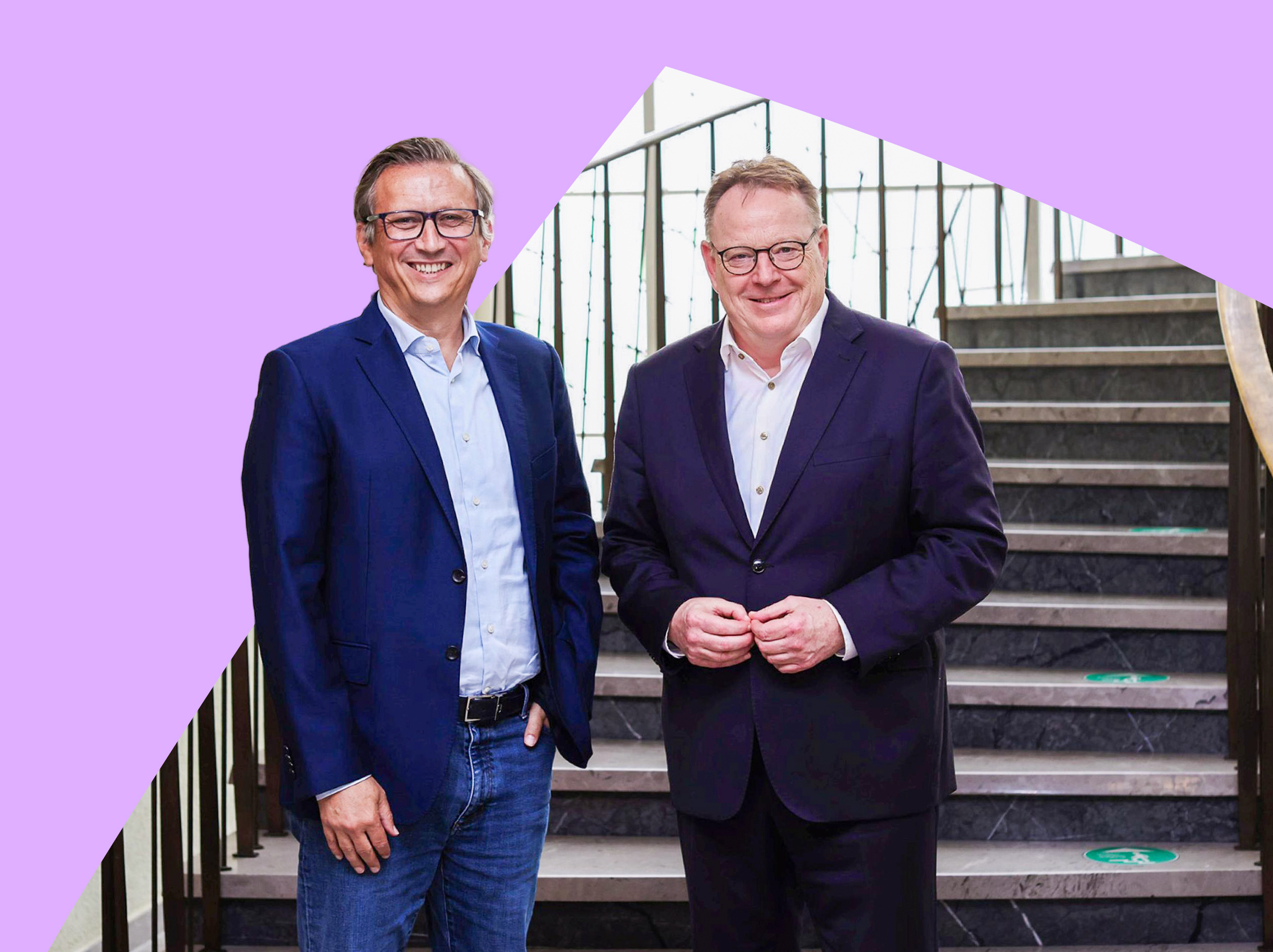
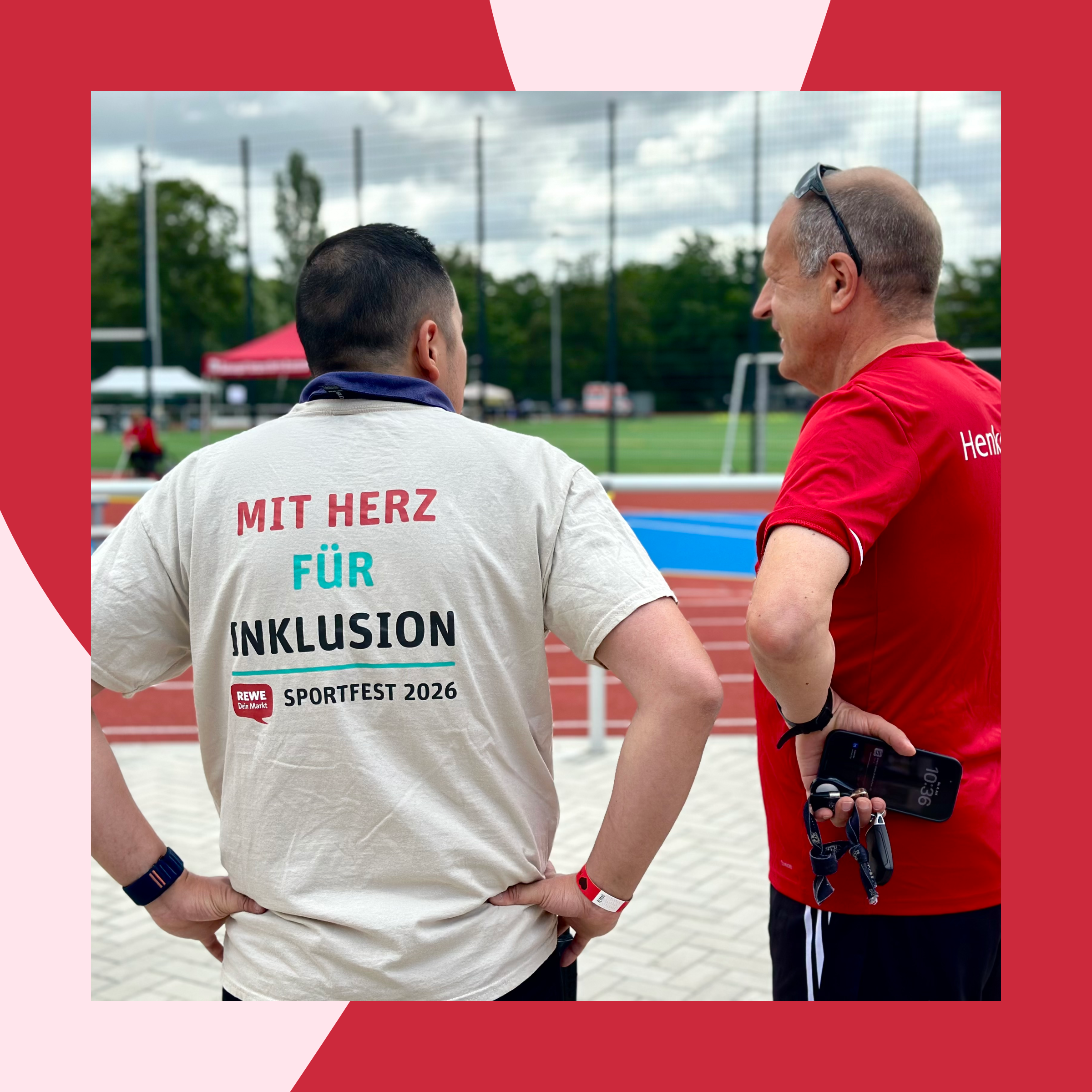
They have proven to be robust and competitive for well over 150 years: cooperatively structured companies such as the REWE GROUP. Economically, they play a leading role, yet cooperatives tend to remain in the background in the public perception. Wrongly so, says Divisional Director Thomas Nonn. In this interview, he talks about the appeal of a model that remains relevant and timeless values.
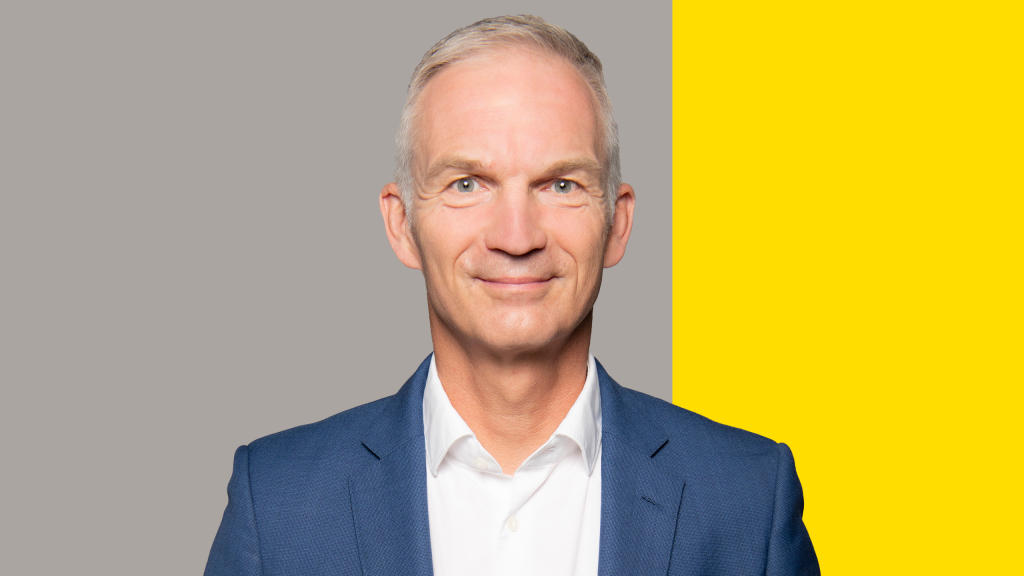
“Cooperatives are more relevant than ever”
Divisional Director Thomas Nonn on the strength of REWE Group's cooperative structure and its economic importance.
Reading time: 11 min.
The REWE GROUP is approaching its 100th anniversary. What began as a merger of small shopping cooperatives has grown into one of the largest retail and tourism companies in Europe. What connects today’s REWE GROUP with the company it once was?
Thomas Nonn: Even when we were founded, independent entrepreneurship was the core of REWE GROUP – and it has remained so to this day. Back then, the wholesale cooperatives formed the basis for what we are today by bringing together independent retailers. These retailers became indirect owners of the Group – a principle that continues to shape our business today. And no matter what has changed externally, one thing has always united us: our strong, cooperative values.

About:
Thomas Nonn
Executive Board Member for Independent Retail and Cooperative Germany
Thomas Nonn is the Executive Board Member for Independent Retail and Cooperative and has been with the company since 1989.
In what way?
Thomas Nonn: Cooperatives know how to think outside the box – they don’t think from one day to the next, but in generations. A look at our regional cooperatives shows this very clearly: some are over 100 years old and therefore even older than our REWE headquarters. Their focus on long-term action is impressive and closely linked to the values that characterize cooperative companies. These values have never changed over time – no matter what has happened, they have always been there, sometimes more, sometimes less visible. For more than 15 years, we have been working intensively on the values that significantly influence our cooperation within the cooperative. But in the end, it always depends on the people who live these values every day.
What values are these, for example?
Thomas Nonn: Sustainability, for example, is in the original DNA of cooperatives. We want to shape independent livelihoods in such a way that they are preserved for generations to come. Our corporate culture is characterized by stability, trust and cohesion. But the cooperative structure also inherently brings with it a fair amount of responsibility – towards each individual and the organization as a whole.
At a time when values seem increasingly negotiable – just think of the developments in the USA and the initial spillover effects on other countries – how do we as a cooperative maintain the consistency of our values within REWE GROUP?
Thomas Nonn: We work with many of our independent retailers across generations. At the same time, our employees at REWE generally work for the company for a long time. This combination creates stable relationships that strengthen our culture of values. And in the end, it is above all the continuous translation of values into everyday working life. It is important to us that we keep talking to each other. Sometimes this means that we have to find new words for what we live by on a day-to-day basis, but the core of our values never gets old.
The wind on the labor market has changed in recent years: companies are increasingly struggling to fill vacancies appropriately. How can REWE GROUP as a cooperative score points on this new playing field?
Thomas Nonn: In a time of permanent crises, cooperatives offer answers to many of the burning questions of our time. They stand for consistency and stability. Unlike listed companies, which constantly feel the pressure of quarterly figures and have to keep the share price up, we as a cooperative are committed to our members. This gives us more freedom to position our company sustainably – and we are often much more innovative than people generally think. We are at the forefront of digitalization in retail, for example, and the same applies to Sustainability. You can really make a difference with us – I believe that if young people were aware of the benefits, cooperatives would be much more in demand as employers. Our greatest strength is the community that you can feel when you become part of our team. That’s why it’s crucial to give young talent the chance to get a taste of REWE and experience this unique culture.
In addition, the spectrum is huge if you don’t just look at the administrative areas.
Thomas Nonn: That’s right. With regard to self-employment, we also want to attract both colleagues and externals to set up their own businesses. To this end, we have developed models that are attractive in terms of Business Administration. At the same time, becoming self-employed with us is something that requires knowledge in many different specialist areas, such as merchandise, human resources, marketing, purchasing and much more. This is also an exciting prospect for those with a Bachelor’s or Master’s degree, especially in comparison to a specialist position. The way we cultivate, develop and understand this independence in the cooperative spirit is something special. For me, independence at REWE is a value in itself.
The cooperative form is not always easy. It takes time to hear and moderate many voices before a decision is made. In other legal forms, the management can sometimes implement things much more quickly. What do you think about this?
Thomas Nonn: There is a misconception associated with what you have said. A cooperative does not mean that we are practising grassroots democracy, but that we have to create structures in which we remain capable of acting. For example, our structures allow us to incorporate know-how from the markets into management decisions. There may be one or two more coordination loops than in a family business, but thanks to the coordination with retailers, we have a much higher acceptance of implementation. In all my years at REWE, I’ve never had the impression that we don’t manage to achieve the necessary speed depending on the situation. For me, this is a question of organization and culture. Of course we discuss things, which is often necessary in order to shed light on all facets. But when it comes to taking an issue to the streets, I don’t think we’ve ever lost time unnecessarily.
What is the current situation regarding the next generation of retailers?
Thomas Nonn: Things are looking good! We currently have over 300 junior candidates in the pipeline who are undergoing training to become a commercial clerk and are waiting to apply for an advertised position. And we are constantly adding new candidates. The majority of our new retailers are former store managers. We are also opening up new channels. For example, we are preparing young people with an academic degree for self-employment in a two-year trainee program. Retailers also have the opportunity to offer high school graduates a dual study program in their company. They get to know the practical side in the store, study on the side, obtain a generally valid university degree and thus embark on the path to self-employment with REWE. Then there are also interested parties who come from a sales function at REWE and also those who approach us from outside. And, of course, there are also junior staff from the retailers who are interested in taking the step into self-employment. In short, the pool is well filled.
What financial foundation is needed to take the step towards self-employment with REWE? Is a minimum deposit required?
Thomas Nonn: We have various cooperation models: First and foremost is the REWE partnership model. However, we also offer self-employment in a franchise model. A key anchor in the philosophy of the partnership model is that a lack of capital should not be an obstacle to suitable applicants taking the step into self-employment. There is no better entry model for self-employment than ours, because it limits capital requirements and risks to a level that cannot be found anywhere else. An attractive model, combined with successful sales concepts, is the prerequisite for finding good applicants for self-employment.
For the first time in its history, REWE Austria is placing BILLA stores in the hands of independent retailers. What are the experiences?
Thomas Nonn: In Germany, we have gained a lot of positive experience in working with independent retailers in recent years. In this respect, it was only logical to consider whether a similar model with BILLA could also be something to improve the competitive position in Austria. Privatization is not an end in itself, but a Business Administration success factor. We have the advantage of being able to draw on experience from Germany. Of course, there are national peculiarities to consider. We have succeeded in developing a model that will be successful in Austria. We want to increase the number of independent BILLA retailers to 45 by the end of 2025.
Are these retailers also organized in a cooperative?
Thomas Nonn: No, not yet. But there are considerations, if there is a relevant number of BILLA retailers, to bring them together in a cooperative structure.
Is REWE GROUP considering privatizing further business segments?
Thomas Nonn: We are constantly developing innovations and new formats, such as the stationary pet specialty stores under our ZooRoyal brand. This concept is exclusively reserved for our independent retailers. So there are always opportunities to expand our range.
Thomas Nonn
Executive Board Member for Independent Retail and Cooperative Germany
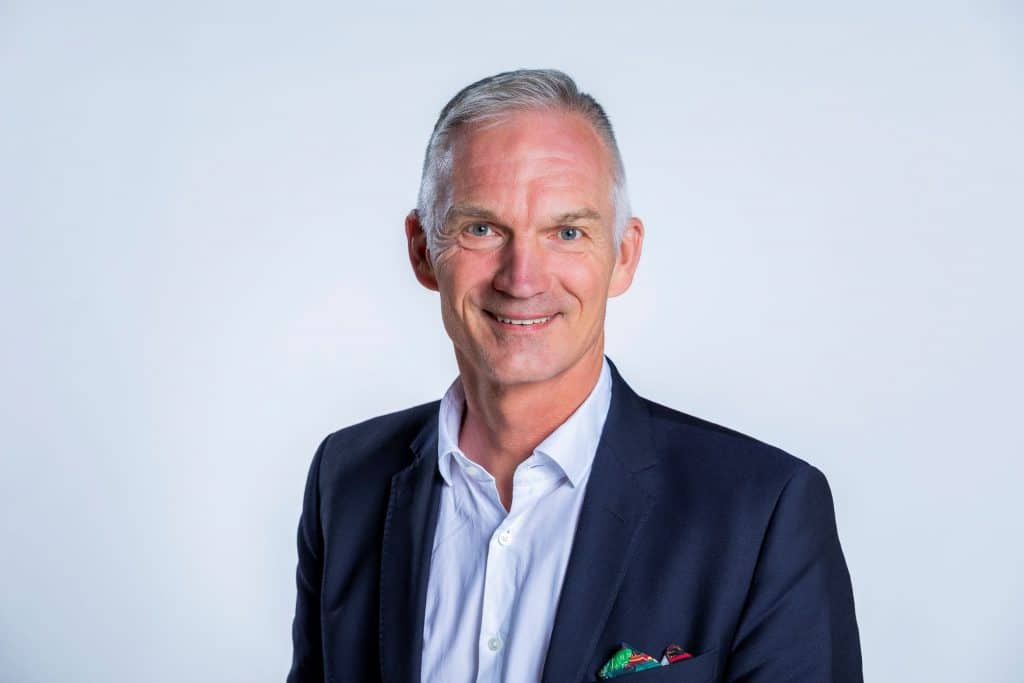
Executive Board Member Thomas Nonn heads up the REWE GROUP’s Independent Retail division.
He was one of the architects of the ‘REWEformer’ project, which refocused attention onto REWE’s independent retailers and pushed for their involvement in decision-making processes. At cooperative association level, Nonn is also actively involved in the committee of the Mittelstandsverbund – ZGV e.V.
In addition, he has been the president of Independent Retail Europe since 2019. He is also a member of the council and board of directors of the DGRV (German Cooperative Confederation) and is active on the board of the Centre for Research into the Cooperative Movement at the University of Cologne and the governing body of the ADG (Academy of German Cooperatives) in Montabaur. Nonn is also on the board of the German Friedrich Wilhelm Raiffeisen Society.