Dear Ines, who are you? And what has had a particularly strong influence on your professional career?
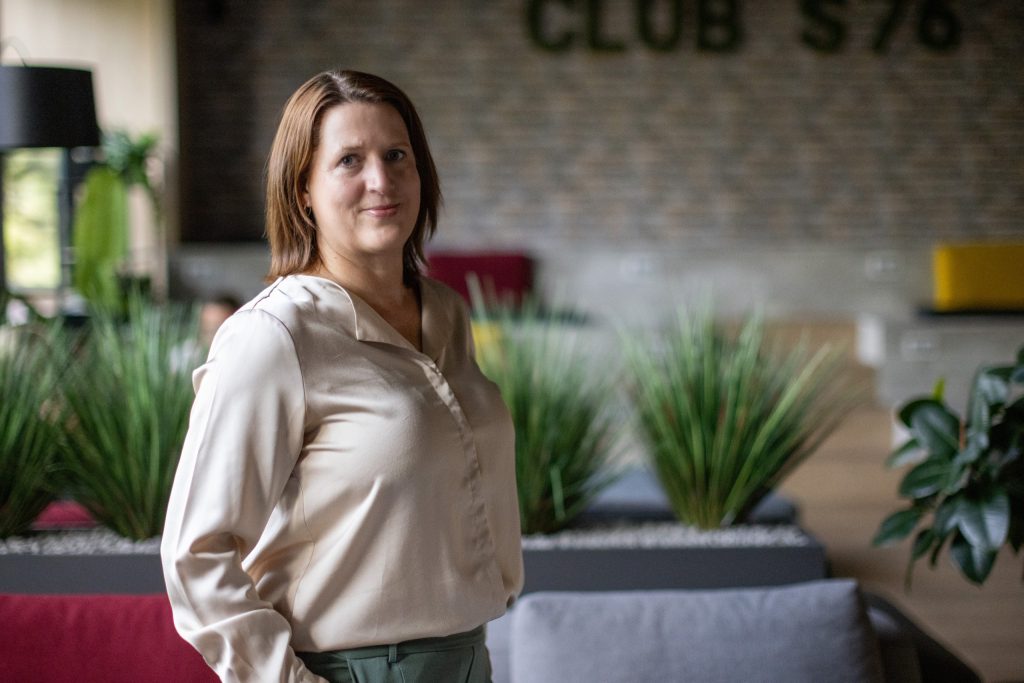
“I’m an optimistic person. I’ve always been that way.”
For Ines Batz of DERTOUR, the effectiveness of her appreciative, positive, and calm leadership style was evident not only during stressful periods at work but also during a personal crisis: Her team naturally stepped in and supported her through that time. From her own career experience, she also knows that no one is perfectly prepared for a leadership position. Her advice to other women: Take it one step at a time—with courage, curiosity, and confidence.
Reading time: 8 min.
I am Director Africa & Middle East at DERTOUR. In the tourism industry – which, by the way, has a very high proportion of women — I joined right after I finished my studies. My journey, which took me from the Caribbean through Northern Europe to the Indian Ocean, was never planned down to the last detail, but shaped by curiosity, which led to a desire for challenges and two specific events.
About:
Ines Batz
Director of Product for Africa & the Middle East at DERTOUR
What events were those?
First, there was my nearly two-year work assignment in South Africa. There, I learned that there isn’t just one right way to reach a goal — and that my very direct approach doesn’t always lead to success in every cultural context. That experience permanently broadened my perspective on people, collaboration, and leadership. On the other hand, a life-changing health diagnosis about four years ago turned my life completely upside down. This experience changed me both personally and as a leader. Today I know that not everything can be planned. Since then, I’ve focused with as much composure as possible on the things I can influence.
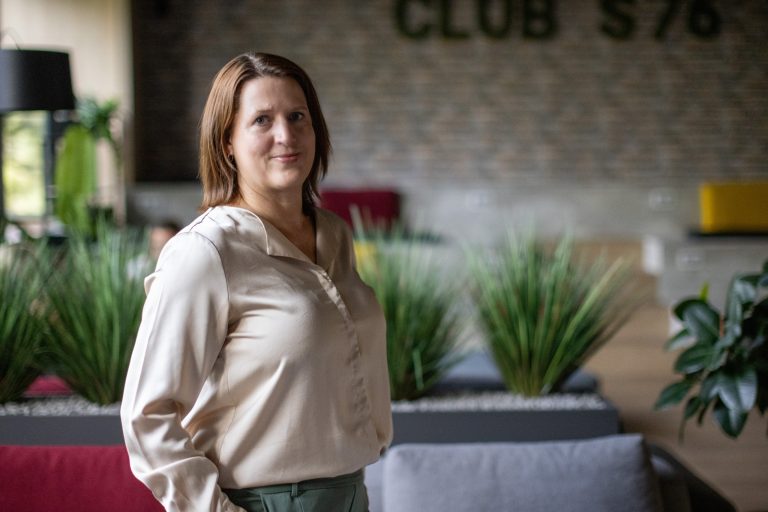
I was lucky enough to meet people who believed in me.
Ines Batz of DERTOUR on Women in Leadership
For Ines Batz of DERTOUR, the effectiveness of her appreciative, positive, and calm leadership style became evident not only during stressful periods at work but also during a personal crisis.
Did your career path proceed just as smoothly?
Of course, not every door opened for me on its own. Sometimes I just had to take the plunge, be brave, and seize the opportunities that came my way — even when I didn’t feel ready yet. At the same time, I was fortunate to meet people who believed in me. One supervisor in particular, whom I worked with for many years, recognized my potential, supported me, and challenged me.
What does inclusion mean to you specifically in your day-to-day leadership role — and how do you put it into practice in your team?
To me, inclusion means accepting people just as they are. My own personal journey has taught me that everyone faces their own challenges — even if they aren’t always visible. Today, I listen more carefully, take people’s needs more seriously, and am less quick to judge.
As a leader, I want to create an environment where people can be themselves, support one another, and contribute their diverse strengths. Because I’m convinced that when people feel seen and valued, trust is built — and that leads to motivated and strong teams.
My leadership style can best be described with one phrase: a positive mindset. I’m an optimistic person — I always have been. I try to convey this confidence to my team as well — especially when things get tough. The most recent major challenge was the military conflict between the U.S. and Iran, when we organized repatriation flights for several thousand guests from various destinations in March within a very short time.
Of course, situations like these create enormous pressure. But it helps that I remain composed under that pressure. And I don’t pretend to be someone I’m not. Transparency is important to me. That’s why I openly share information with my team — even in crisis situations. And I talk about the mistakes I make. As a leader, you can’t simply demand a healthy culture of error — the kind we’re trying to establish in the company. You have to lead by example.
I saw firsthand that my leadership approach works when I was only able to work on a very limited basis for several months due to an illness. My team, together with my boss, took over responsibility and continued the work exceptionally well. For me, that was one of the greatest compliments I’ve ever received. It showed me that the time and energy I had previously invested in leadership and teamwork had paid off.
I talk about my mistakes. A healthy culture of learning from mistakes has to be modeled.
Your tip for women, who are pursuing a management career in particular in the travel and tourism industry?
Don’t wait until you feel 100 percent ready — that moment usually never comes. Trust in your strengths, take the next step, and grow through your challenges. Develop your own style and inspire other women. Especially in the tourism industry is an industry that has been affected by changes and encounters with different cultures. Be curious, open-minded, and discover new things as an opportunity.
About “Women First”
By serving as the current patron of the Cologne-based alliance “Mit Frauen in Führung” and the “Women first” initiative, the REWE GROUP is sending a clear message in support of visibility, equal opportunity, and modern leadership. The goal of “Women first” is to highlight female executives as role models and to attract more women to leadership roles. In doing so, the REWE GROUP underscores its commitment to a balanced gender ratio in leadership positions. Although the proportion of female executives already stands at just under 45 percent, women remain underrepresented, particularly at the highest levels of management.
As part of “Women first” we regularly feature female executives from all business divisions of the REWE GROUP. As role models, they share their career paths, leadership styles, experiences, and the factors that have shaped them along the way. After all, true equality of opportunity isn’t achieved by requiring women to prove themselves over and over again — but by making their achievements, perspectives, and successes visible. This time: Ines Batz, DERTOUR