REWE Group’s Approach to More Responsible Supply Chains
At REWE GROUP, we know that our decisions have an impact throughout global supply chains, often in places where risks to fair working conditions, living wages, or job security are particularly high. That is why we are committed to strengthening human rights, preventing violations, and addressing them where they occur. Through a four-step process, we are committed to systematically identifying, minimizing, and preventing—through mitigating measures—potentially adverse impacts of our business activities on human rights.
Risk Assessments
We continuously analyze where human rights risks exist. In doing so, we combine external analyses, dialogue with NGOs and stakeholders, and our own experiences from the supply chain. This enables us to identify risks such as child labor, lack of workplace safety, or inadequate wages at an early stage and take targeted action.
Priorities and Goals
Based on these analyses, we set clear human rights priorities for our internal strategies and develop goals.
Implementing Measures
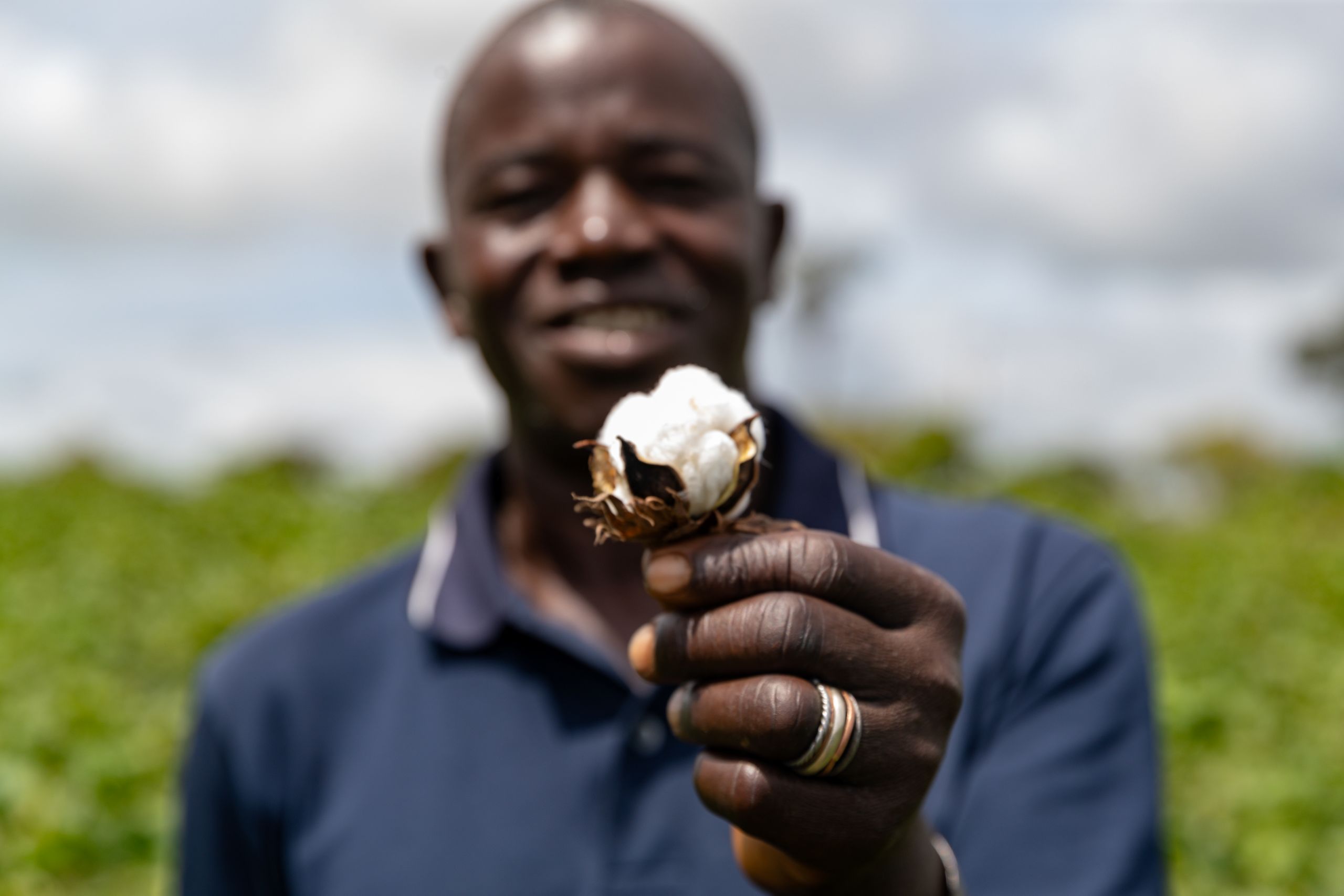
We develop measures to counteract negative effects. On the one hand, within the REWE GROUP — for example, by providing appropriate training to buyers. On the other hand, within the supply chain—by implementing our own projects or by requiring suppliers to use certified raw materials. In addition, we are also active beyond our own supply chain—for example, by helping to further develop standards-setting organizations or by collaborating with Cotton made in Africa.
Monitoring and Further Development
We regularly assess whether our measures are effective. Complaint mechanisms, audits, and dialogue formats help us identify risks and measure progress. Open dialogue with civil society and NGOs is essential for us to identify blind spots and further develop our measures.
The insights we gain are directly incorporated into the further development of our approach, with the goal of effectively strengthening human rights in our supply chains step by step.