From the very beginning, the strategy dialog was more than just a dialog. It was an act of understanding, a commitment to cooperation and shared responsibility for our agriculture in Baden-Württemberg. It was therefore important to us that the strategy dialog not only serves individual interest groups, but also weighs up different needs on an equal footing and thus develops concrete solutions together. We therefore brought together farmers, retailers, scientists, food craftsmen and processors, nature conservationists, churches and consumers, i.e. all relevant stakeholders in the value chain. The result is a social contract for agriculture that is supported by everyone. That’s a big word, but it gets to the heart of the matter. We have succeeded in reaching a broad consensus that focuses on both the preservation of regional farms and the protection of biodiversity. This not only ensures that the population is supplied with high-quality food from Baden-Württemberg, but also strengthens our cultural landscape and biodiversity in the long term.

Three questions with Florian Hassler on the Agriculture Strategy Dialogue in Baden-Württemberg
Shaping the future of agriculture in Baden-Württemberg: This is the goal of the Baden-Württemberg State Ministry with the Agriculture Strategy Dialogue, which was concluded this week with a joint agreement. More than 50 stakeholders from agriculture, nature conservation, trade, food crafts and processing, science, churches and society took part in the dialog, including the REWE Region Southwest. In our "Three questions with" format, State Secretary Florian Hassler, responsible for the overall management and coordination of the strategy dialog, looks back on the state government's working format.
Reading time: 5 min.
-
The establishment of the strategy dialog was decided by the state government and the launch was attended by Minister President Winfried Kretschmann, Federal Minister Cem Özdemir, two state ministers and you as State Secretary. The entire value chain was also represented in the process. In view of this: What is special about the Agriculture Strategy Dialogue for you personally?
-
The aim of the strategy dialog was to achieve concrete results and make recommendations within two years. What conclusions did you come to, for example, in the area of strengthening regional products?
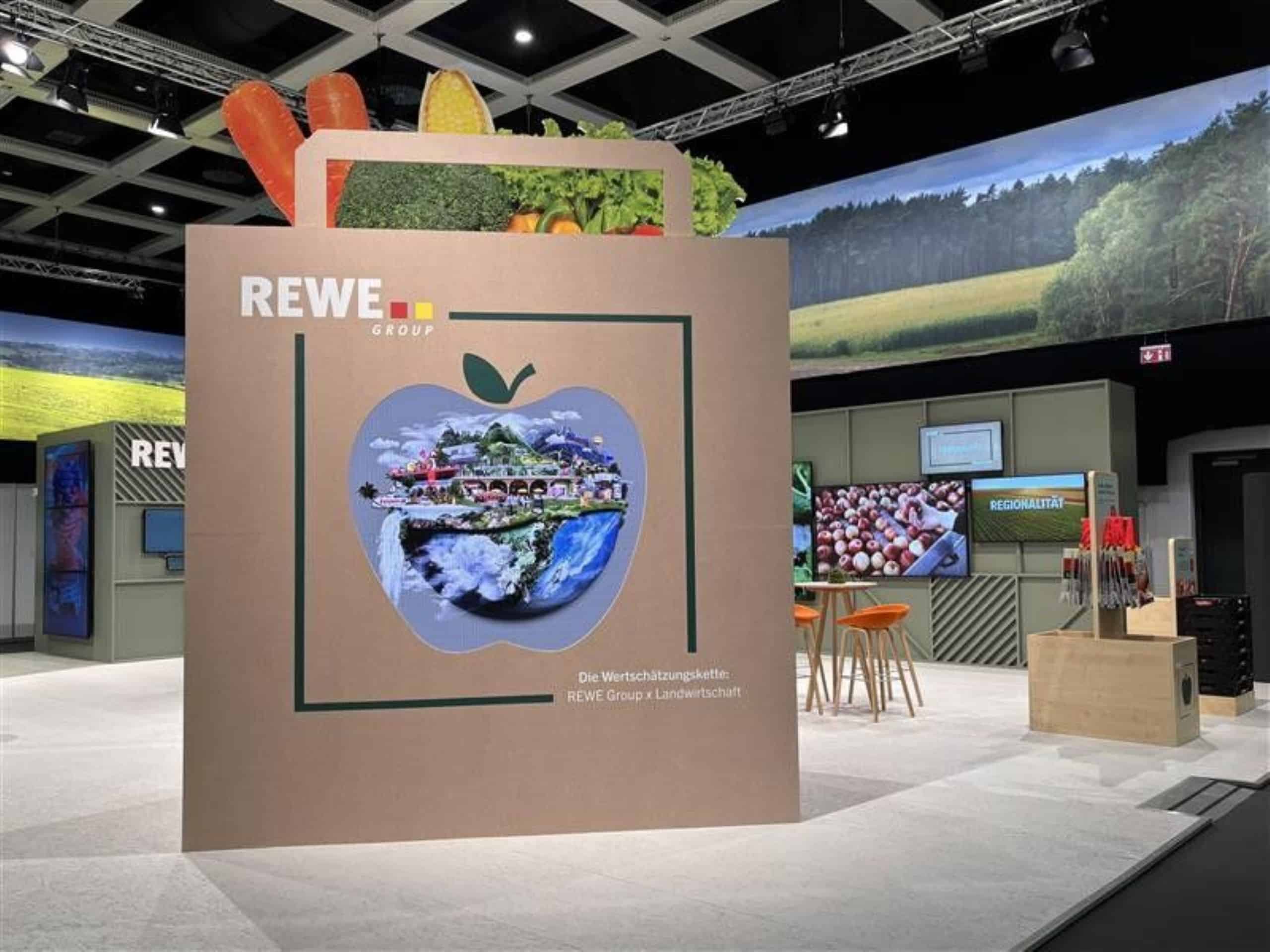
As a general rule, it is always the consumers who ultimately decide what ends up in the shopping cart. Food that is produced locally and in an environmentally friendly way is not only good for the local economy – it also protects the climate and biodiversity because, among other things, it benefits from shorter transportation routes. In our partnership agreement, we have therefore advocated close cooperation along the entire value chain – from farmers to processing companies and retailers. Reliable partnerships and long-term purchase agreements create planning security and strengthen smaller, family-run businesses in particular. The food retail sector has committed to greatly expanding the range of regional products on offer. This means that regional food will be much more visible on the shelves in future. At the same time, we want to improve the labeling of regional products and better promote direct marketing. This will strengthen contact between farmers and consumers and increase the appreciation of local products. Out-of-home catering also plays a decisive role in promoting regional and organic products. We are talking about canteens, cafeterias and restaurants. Here, bioregional products must increasingly find their way onto menus.
-
To what extent can the results from Baden-Württemberg be transferred to other states or even to federal policy?
Agriculture faces similar challenges throughout Germany – be it climate change, preserving biodiversity or securing a fair income for farmers. In the search for viable solutions, our strategy dialog can certainly serve as a model for others. With the social contract, we are showing what a future-oriented and modern agricultural policy looks like – precisely because we combine agriculture and nature conservation. For our Biodiversity Strengthening Act, we have already agreed together with nature conservation and farmers’ associations that only half as many synthetic chemical pesticides will be used by 2030 and that organic farming will be expanded to 30 to 40 percent. These are strong goals. But it is also clear that agricultural policy is largely made in Brussels and Berlin. The EU Commission has just concluded its own Strategic Dialogue on the future of agriculture. Our strategic dialog was also a model here. Because we had contact with the key people at EU level, the recommendations also include positions from our strategic dialog in Baden-Württemberg. In the social contract, we have formulated numerous recommendations for action to the federal government and the EU. We will bring these to the table with vigor.
It is up to Berlin and Brussels to take our proposals seriously. We have a strong partner in Federal Minister of Agriculture Cem Özdemir.
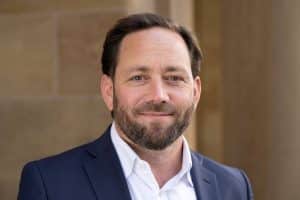
About:
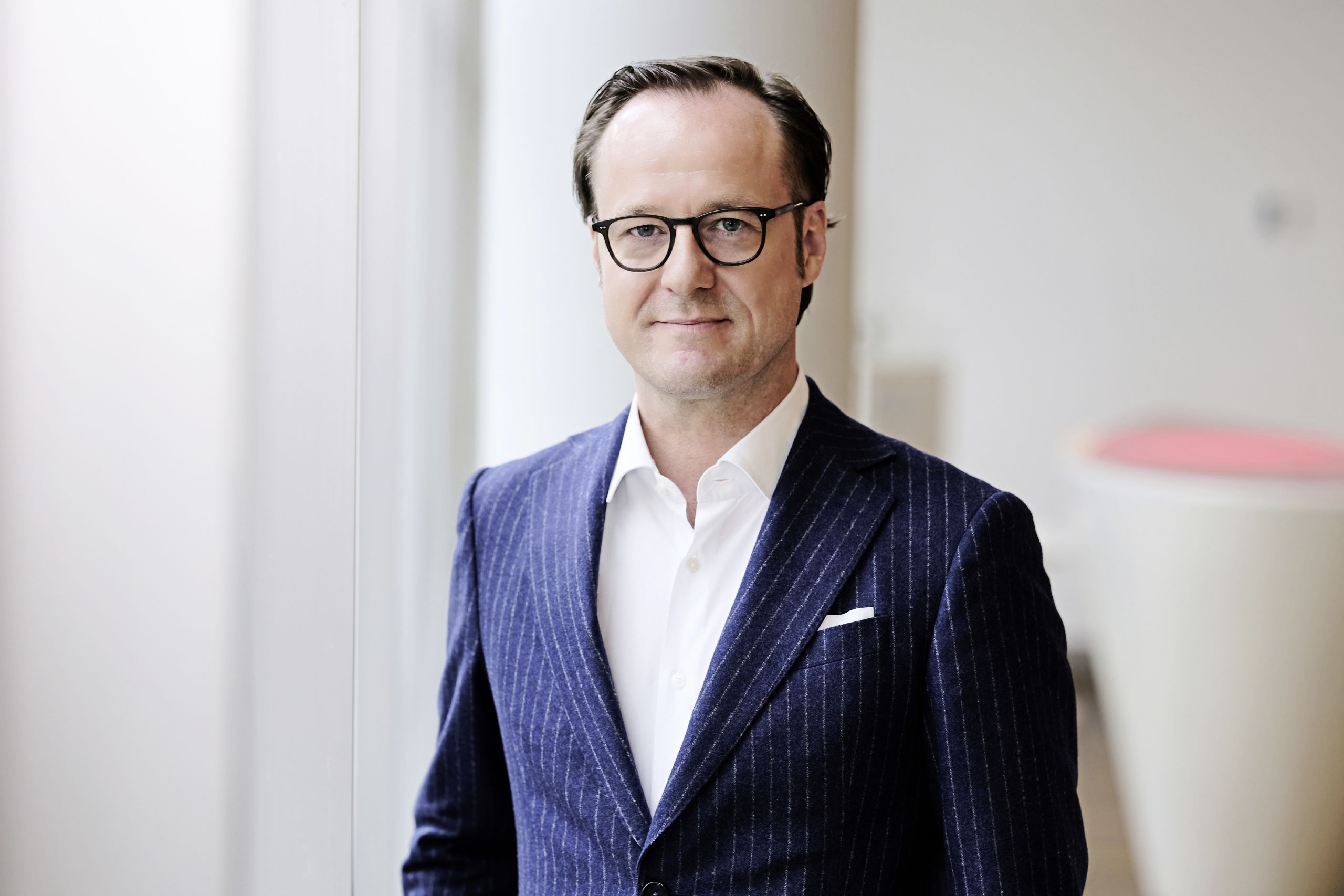
Florian Hassler
is State Secretary at the Baden-Württemberg State Ministry and the state’s representative to the EU.