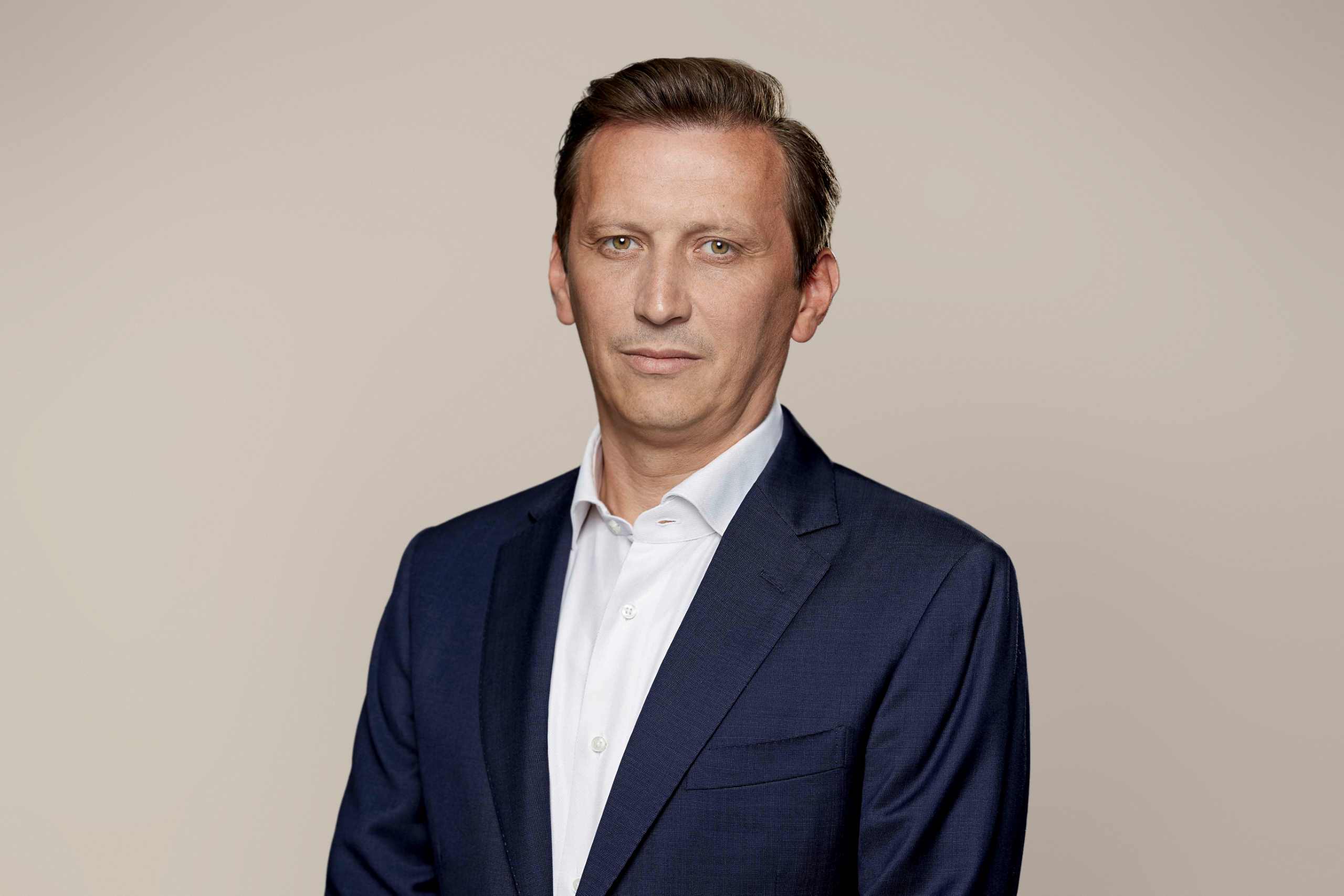
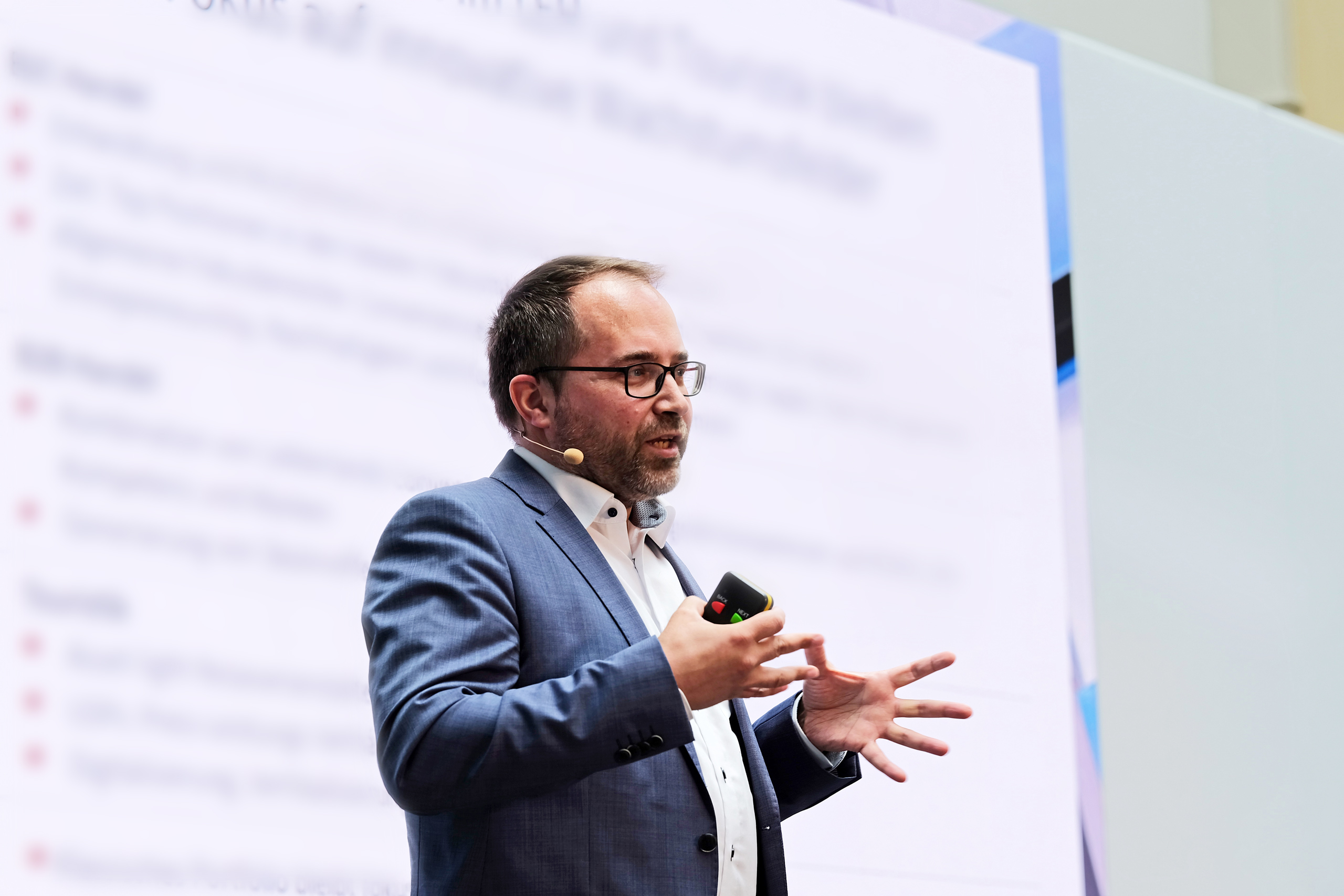
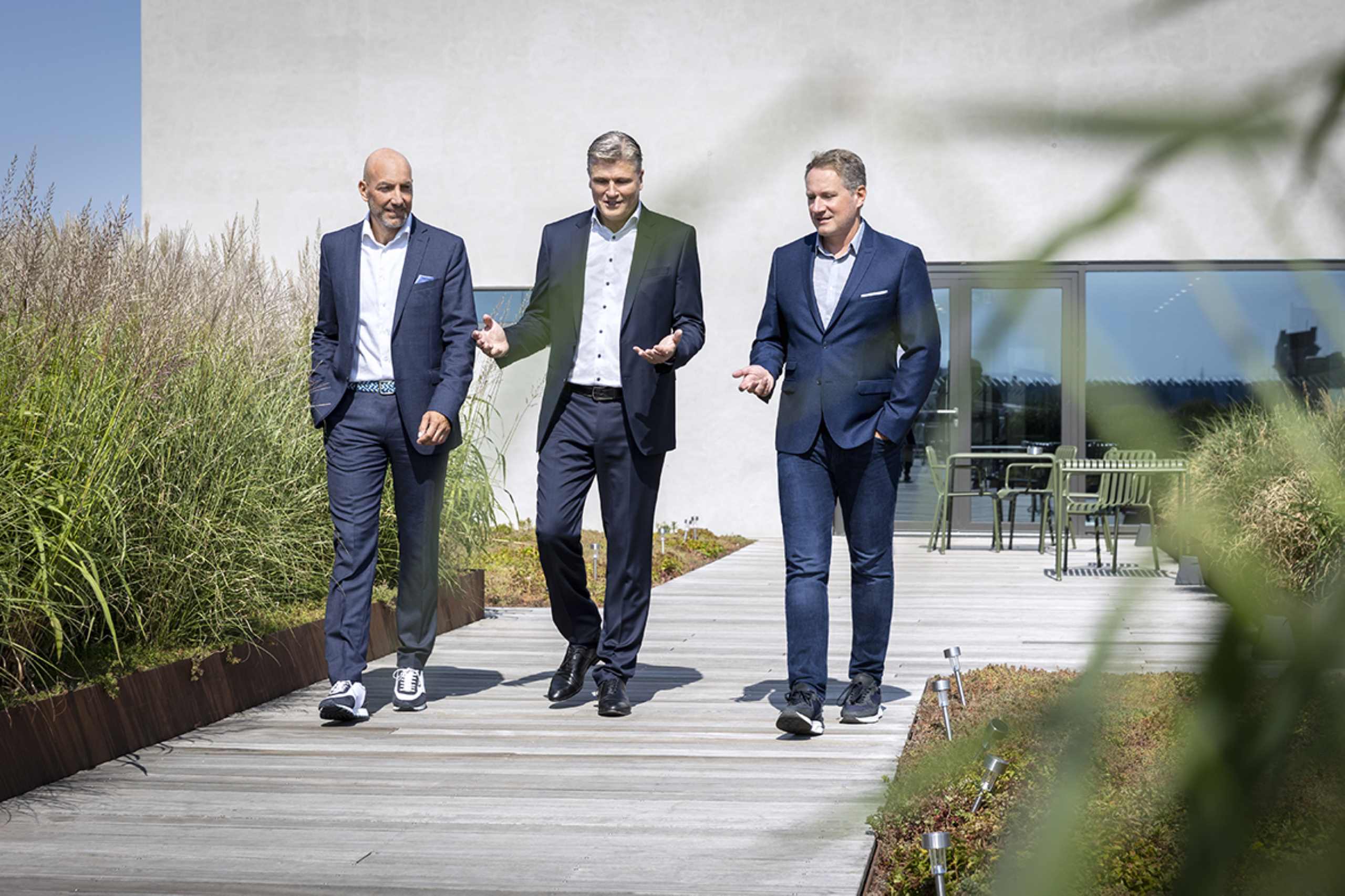
In an interview, Chief People Officer Daniela Büchel talks about, why the focus on women in leadership positions is the decisive step for her to strengthen them. She openly describes where REWE GROUP stands today – and why the 50:50 target has not yet been achieved despite progress. At the same time, she makes it clear that real change can only succeed if attitude, culture and the advancement of women are consistently considered together.
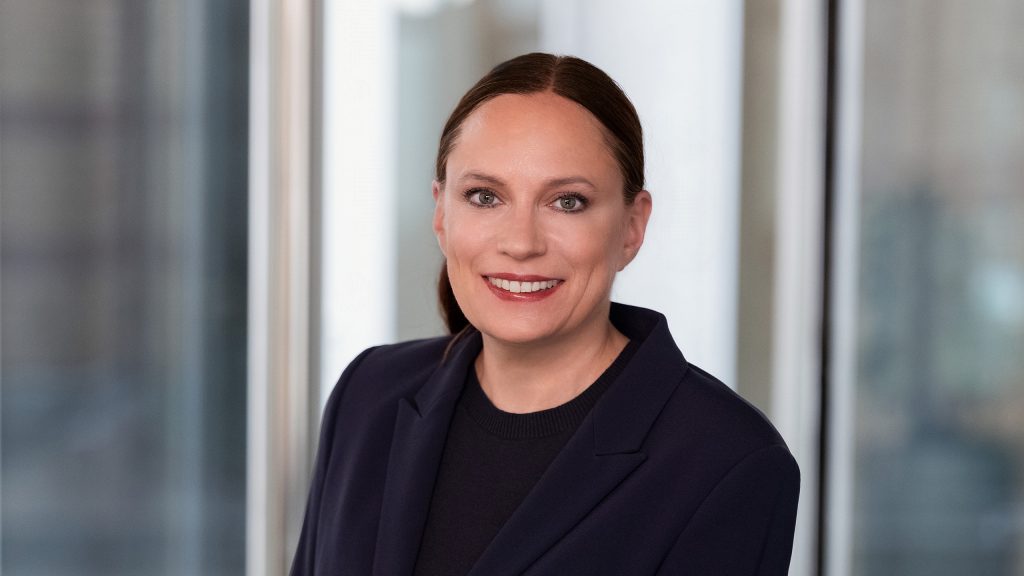
“Equal opportunities need visibility”
With its current patronage of the Cologne "Mit Frauen in Führung" alliance and the "Women on the 1" initiative, REWE Group is sending a clear signal for visibility, equal opportunities and modern leadership
Reading time: 6 min.
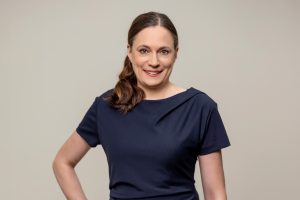
About:
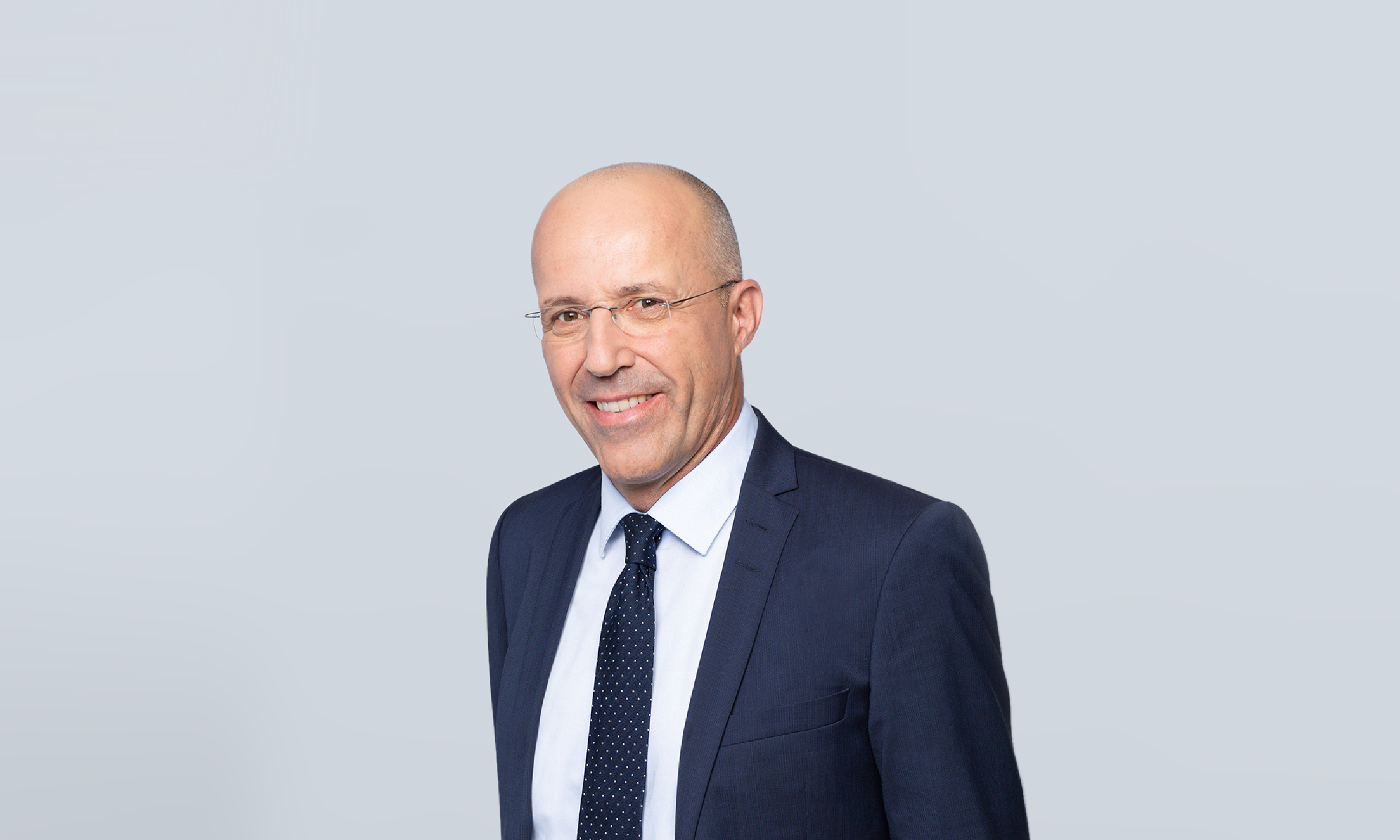
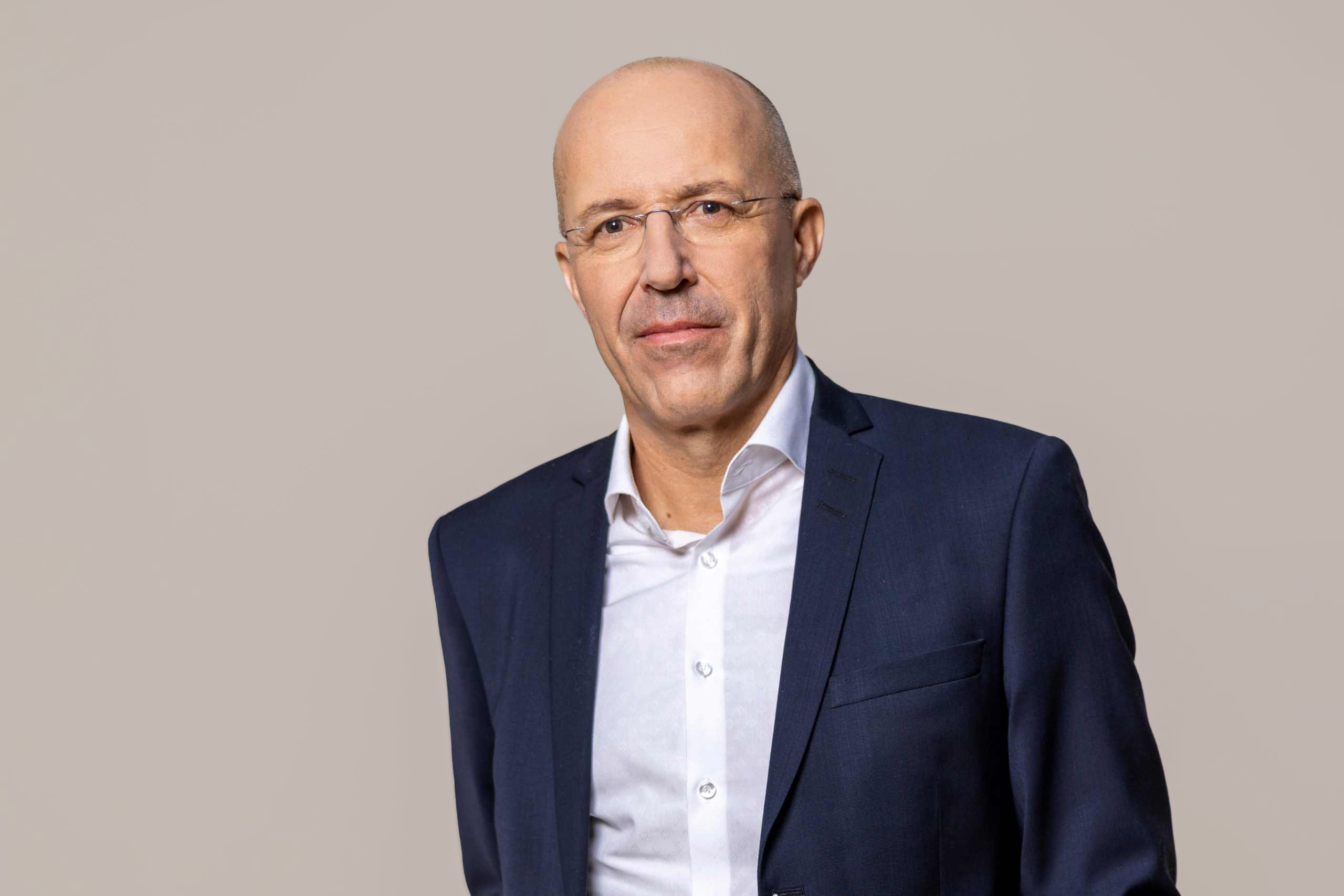
Dr Daniela Büchel
Member of the Management Board – Chief People and Sustainability Officer
Daniela, REWE GROUP is launching its communication initiative “Women on the 1” for International Women’s Day. What is this statement all about?
Daniela Büchel: We wanted to reverse the classic pattern with this clear statement: It’s not about women constantly having to prove themselves anew, but about us seeing them. “Women on the 1” is a clear stance, a positioning of REWE GROUP as active, long-term and authentic promoter of female senior managers.
The “1” stands symbolically for visibility, for responsibility and relevance. We want to make female senior managers more visible as role models in order to encourage other women to take on a leadership position themselves or to develop further in this position.overall, “Women on the 1” supports our goal and our REWE GROUP commitment to achieve a balanced gender ratio in management positions.we have not yet achieved this, but we are actively working towards it.
We wanted to reach 50:50 by 2025 – We sind now at 44,9 percent female senior managers overall. Where do we stand at the higher management levels? Do we still need a campaign like “Women on the 1”?
Daniela Büchel: At first glance, the figure of 44.9 percent sounds good, but women are still significantly underrepresented, especially at the higher management levels 1 and 2. As a result, we are losing valuable innovative strength – as well as the team spirit and resilience that characterize diverse management teams.
At the same time, we want to set a visible example for equal opportunities. A campaign creates the necessary framework for this, as it makes women in the company visible, strengthens their self-confidence and shows how modern leadership is practiced in our company.
With which concrete measures do we want to sustainably bring more women into higher management levels?
Daniela Büchel: First of all, and this is an essential prerequisite for success: we have a clear commitment from the Management Board. The measures include setting specific KPIs, which we review regularly. There are also development programs, such as Women’s Drive, which are explicitly aimed at women; in addition, we provide very targeted support for individual development paths.
With our women’s network f.ernetzt, we create a space for exchange and visibility. There are also numerous measures relating to work-life balance, for example as part of our certification in accordance with the “job and family” audit and – new since last year – the “job diversity” audit. And last but not least, we are working on our corporate culture with step up by strengthening personal initiative, willingness to change and trust.
Corporate culture is a good keyword. After all, the demand for a higher proportion of women in management positions is primarily a cultural issue. How do we influence the culture – and where are the biggest hurdles?
Daniela Büchel: A key challenge remains the fact that women continue to take on the majority of care work. This is compounded by long working hours, rigid shifts and attendance requirements that make career paths more difficult.
The hurdles are particularly noticeable in the market: high attendance at operational times, early and late shifts and the need for flexibility often place a greater burden on women. At head office, the hurdles have a different effect – for example, due to the large number of meetings, travel or project peaks.
We are working on all of these points, for example by further developing flexible working time models that are also used in the market. Part-time management or co-leadership also supports cultural change. And mobile working creates additional opportunities to promote diversity. Many of these measures are firmly anchored in the current “job and family” audit.
And what successes can we already celebrate?
Daniela Büchel: We can clearly see that the proportion of women in management is increasing – as I said, we are now at almost 45% and therefore well above many other sectors. The proportion is also increasing noticeably at management levels 2 and 3.
Another success is that we focus on sustainable appointments. We deliberately do not work with quick symbolic appointments, but with long-term solutions that bring women into leadership in a stable way.
We have also made progress in structural terms: there are actual/target analyses in all business units, from which tailor-made measures are derived. Annual reporting ensures that we remain transparent and learn from the process.
And last but not least, our development tools are effective: development programs explicitly aimed at women are very popular. The f.ernetzt network creates visibility and exchange and helps women to look beyond their own area. And the measures from the “job and family” audit support work-life balance – a crucial building block for more female career paths.
All this shows: We have created solid cultural foundations on which we can continue to build.