It’s a small record: A total of 520 organizations working on behalf of children and young people received support from Förderpenny in 2022. Why there were an unexpectedly high number of applications this year, how the current social climate is affecting the project, and why Förderpenny aims to continue growing: an interview with project manager Kathrin Daivandran.

Social Engagement Through the Förderpenny: “I’m impressed all over again every year”
Through the “Förderpenny” initiative, PENNY has been supporting children’s and youth welfare organizations for years. How the project connects customers with their neighborhoods—and why it continues to grow.
Reading time: 7 min.
The Förderpenny initiative was launched in 2015. How has the project evolved since then?
Kathrin Daivandran: The Förderpenny is a competition for organizations that work with children and young people. In 2015, we started small with a pilot project in Hamburg and have expanded the project year by year. In 2018, the Förderpenny was held throughout Germany for the first time, and we selected 40 winning organizations. This year, we’ve increased the number of current Förderpenny winners to 520, 260 of whom are round-up donors. So we’re continuing to grow, and our vision is that in the future, every PENNY store will select a Förderpenny winner.
In 2018, we also began involving our customers: Our customers in the store can simply say “That’s right!” at the register to round up their purchase to the nearest 10-cent amount. The donations collected this way go to a local nonprofit for an entire year.

About:
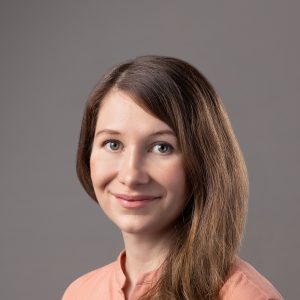
Kathrin Daivandran
is the project manager for Förderpenny.
How does the Förderpenny system work?
Kathrin Daivandran: The Förderpenny program runs throughout the year. It kicks off at the beginning of the year with the application phase: Organizations can apply online at förderpenny.de. This year, we’ve divided Germany into a total of 260 neighborhood regions. We’ve selected two winners from each region. These two organizations then compete against each other to gather votes; this year, the first-place winner receives 1,500 euros in prize money, and the second-place winner receives 1,000 euros. From among all the first-place winners, we then nominate additional organizations to be invited to one of the five regional award ceremonies in October and November. The award ceremonies mark the end of the Förderpenny year, so to speak. For the 260 first-place winners, however, the donation year begins at the same time—meaning that from then on, they will receive customer donations from our round-up campaign for a full year.
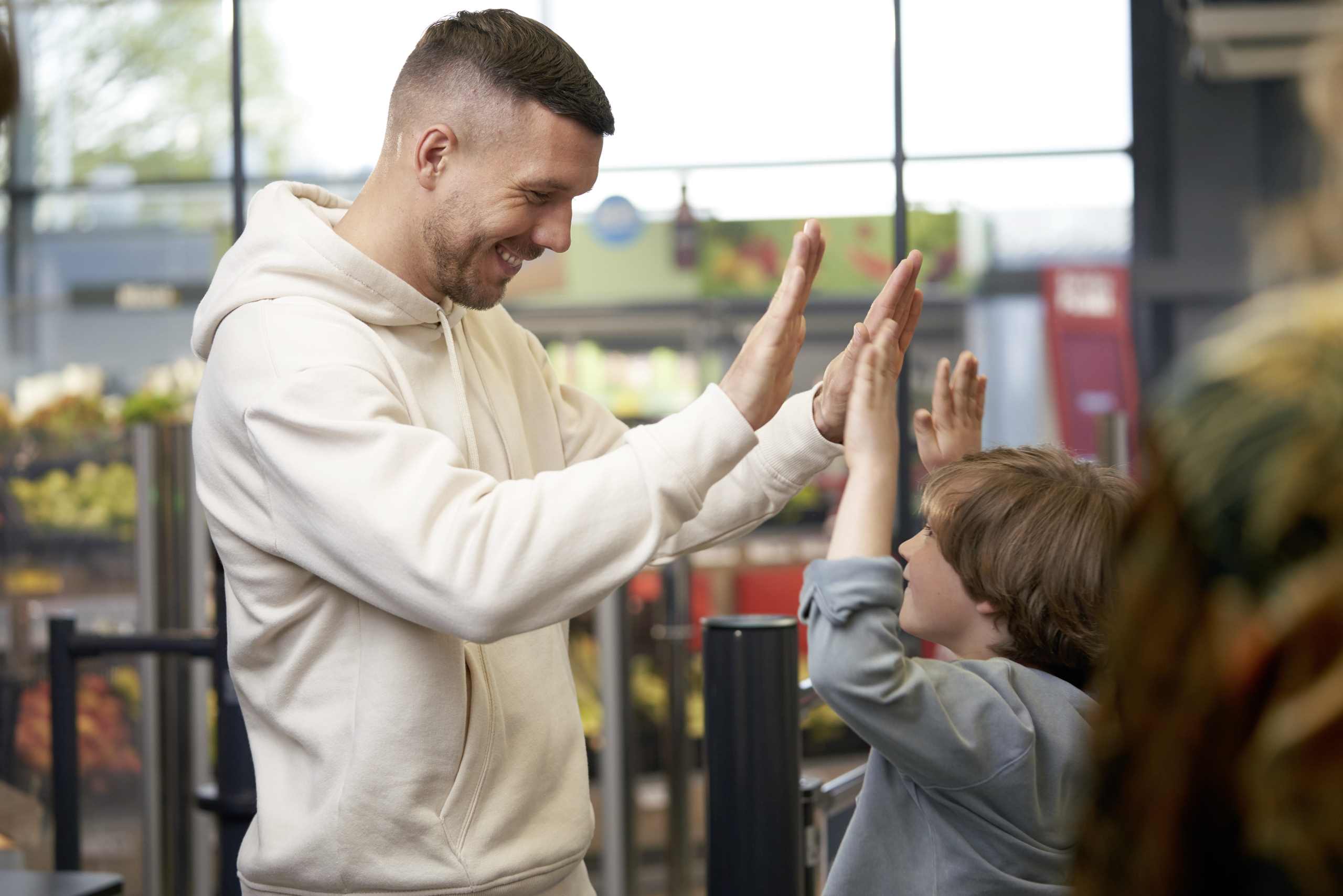
Lukas Podolski is an ambassador for the Förderpenny.
Why did you decide to take such a regional approach with the Förderpenny?
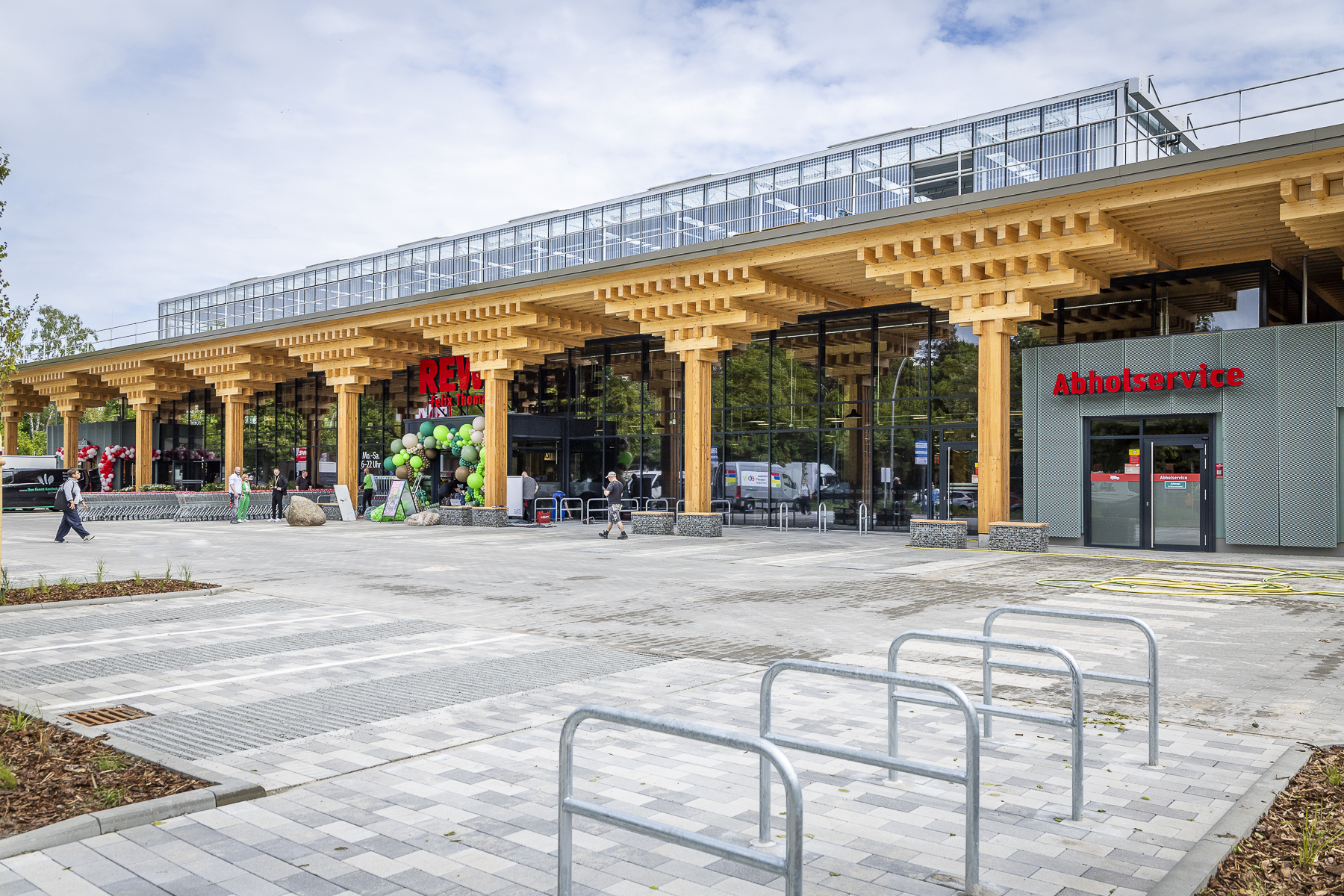
Kathrin Daivandran: PENNY is the neighborhood discount store. That’s why the Förderpenny should also have a regional and local impact. We want to show our customers: There’s a local organization that we at PENNY support—and that you, as a customer, can support too.
Children and teenagers continue to feel the impact of the pandemic very strongly. Did you notice that in the applications for the Förderpenny?
Kathrin Daivandran: Yes, we actually noticed that. At first, we thought we’d receive fewer applications because many projects—such as youth camps—couldn’t take place due to the pandemic. But we actually received more applications—particularly for the design of outdoor spaces, such as school gardens or schoolyards. There were also many applications for digital programs, such as online coaching for children and teens—for example, to address loneliness or bullying.
The pandemic isn’t completely over yet, and already the next major problem is looming: Russia’s war of aggression against Ukraine and the resulting high energy prices are causing families’ disposable income to decline. What does this development mean for child and youth support?
Kathrin Daivandran: Since the application period ended in late March 2022, this development has not yet affected this year’s project. However, it is highly likely that this will be the case by the current application period at the latest, which began in mid-December of this year. We anticipate that there will be a significant increase, in particular, in the number of projects focused on meal provision, as well as language acquisition projects for refugee children.
Lukas Podolski has been a Förderpenny ambassador since August 2022. How did the idea come about to recruit the former national team player as an ambassador, and what does PENNY hope to gain from this?
Kathrin Daivandran: We’ve been considering for some time now the idea of finding a well-known figure to represent the “Förderpenny” who could help bring the project even closer to our customers. It was important to us that this person be someone who advocates for children and young people outside of their professional life. Lukas Podolski was the perfect role model, as he has been actively involved in sports programs for children and young people for many years. We’re convinced that the 2014 World Cup champion can use his widespread fame to give the “Förderpenny” a new platform.
What has been your passion project over the past few years?
Kathrin Daivandran: Every year, I’m impressed anew by the passion and dedication the volunteers bring to their work—whether they’re involved in a small club or a large organization like Caritas. Here’s an example: Last year, a very small nonprofit with just two members that distributes books to children in Gießen won third place in the Förderpenny National Award. The two organizers were moved to tears when they received 2,500 euros for their project. Otherwise, I find projects that draw attention to a specific social issue to be very important: Last year’s national award winner, the Children’s and Youth Welfare Rights Association, for example, supports young people who have lived in state care—such as in a residential facility—and are released from that care upon reaching the age of majority. The association supports these young people by offering them the assistance they need—through workshops and programs—to lead independent lives.